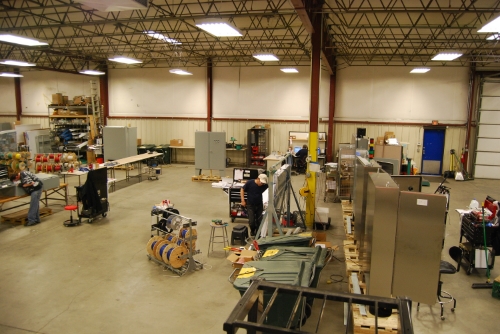
Photo Courtesy: Utility Control & Equipment Corporation (UCEC)
Your work ethic is something that’s developed over time. Unless you are hiring entry-level employees, you will most likely be onboarding individuals who have already formed at least the basis for their work ethic. This is based on previous work experience, management and team members. So, how do you help employees develop a better work ethic.
Interview for ethics
First of all, hire for ethics. How do you do that? You must be crystal clear about your company values, so you can see the right fit when they’re sitting in front of you. Have a list of traits or values that are important in a new hire, and as the interviewee tells you stories and answers questions regarding themselves and their background, be sure to take note of how these reveal the candidate’s own values and if they align (or don’t align) with your own. Measure these responses against the company’s values and use this as a guide in finding the right fit for your next hire.
Manage to improve work ethic
As a manager, you need to give employees the opportunity to WANT to work hard for you. They should want to be a leader within their peer group, so everyone can perform at their best. When managing your team, you have to provide the right environment to encourage learning and growing. They have to believe that their role contributes to the greater good and understand how they stand to benefit. If they do exceptional work, then the company grows, which, in turn, helps the employee achieve their own professional goals.
Mentor, lead and reward
It takes time to be a mentor. That means you have to dedicate time to connect with employees, reminding them of the path that the company is on and what their contributions to the company yield. Always make it about the company—if the business does well, they do well. Establishing this is one thing; following through on it is another. For example: If an employee stays late to finish an important project, you must recognize their dedication, keep them informed on the progress of the project and how it impacted the company, then reward them for a job well done. Rewards can be as little as a paid lunch or comp time for going the extra mile. Whatever it is—you can be sure other team members are watching and taking note, fostering further growth through a little healthy competition.
Do you need pointers on how to hire for values or manage your team for positive growth? We can help.
By Blair Koch


